
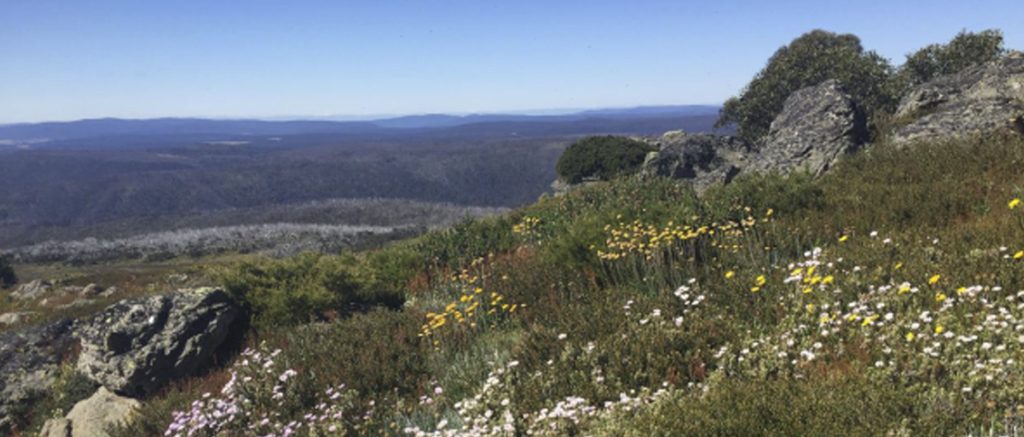
1. Protect, expand and connect the parks network
Victoria’s parks protect just 18% of land and 12% of marine areas—far short of Australia’s 30% land and 30% sea by 2030 target. Too many high-value ecosystems are still unprotected and fragmented, leaving them exposed to climate change and other pressures.
With native forest logging ending, Victoria has a once-in-a-generation chance to expand and connect our parks. Protecting large landscapes and wildlife corridors will back biodiversity, strengthen cultural outcomes, and boost regional tourism and recreation.
- Identify Gaps and Opportunities: Complete an independent, expert-led, transparent review of gaps in Victoria’s parks system by December 2028. 2.
- Pull our Weight: Commit Victoria to play its part in implementing Australia’s National Reserve System Strategy 2009–2030 and the National Roadmap to protect and conserve 30% of Australia’s land and sea by 2030.
2. Repair and recover high value impacted landscapes and species
Victoria’s parks are under pressure from fire, invasive species, climate change and illegal activities such as firewood collection and marine and wildlife poaching.
Investment in understanding impacts, reducing harm and supporting recovery is vital to maintain ecological integrity.
- Address the Pests: Expand and secure funding for cross-tenure pest control programs to reduce invasive pests and weeds. Declare deer a pest in Victoria.
- Stop the Crooks: Strengthen targeted compliance and enforcement against illegal activities harming nature across land and marine parks.
- Fire and Storm Response: Establish a fire expert panel to advise government on an ecologically sustainable fire strategy including the impact of strategic fire breaks, and “salvage logging clean-ups” after storms, floods and fires.
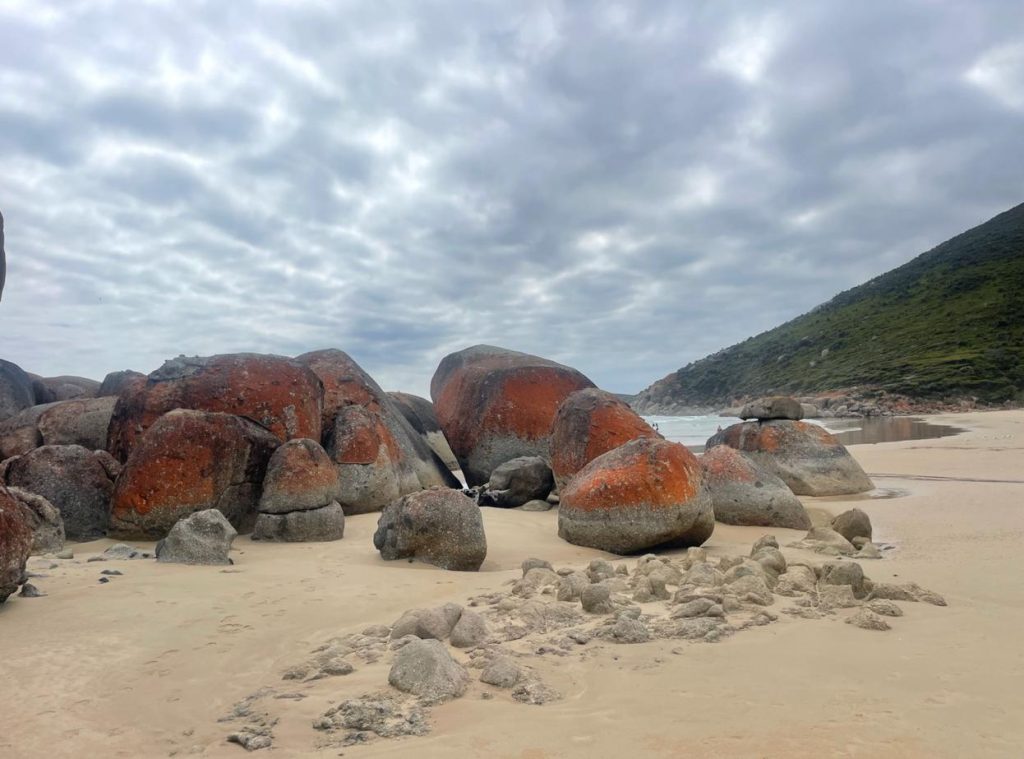
3. Increase community connection and involvement
Parks are deeply valued by Victorians and central to many communities. They support cultural connection, inspiration and enjoyment, while delivering major social and economic benefits. Stronger community connections with parks improves wellbeing and builds support for parks.
Parks are also part of the cultural landscapes of the unceded lands of Traditional Custodians, whose connection to Country continues despite colonisation.
- Connection to Country: Expand and fund active partnerships with Traditional Owners, including joint management, fire management, natural and cultural heritage protection, and an Indigenous ranger program.
- Nature – Health connections: Expand volunteering, nature education and health programs in parks to involve more Victorians in conservation while supporting health and wellbeing.
- Families not Firearms: Replace recreational deer hunting in parks with managed programs by professional pest controllers and accredited volunteers. Keep recreational guns out of parks and away from family fun and enjoyment.
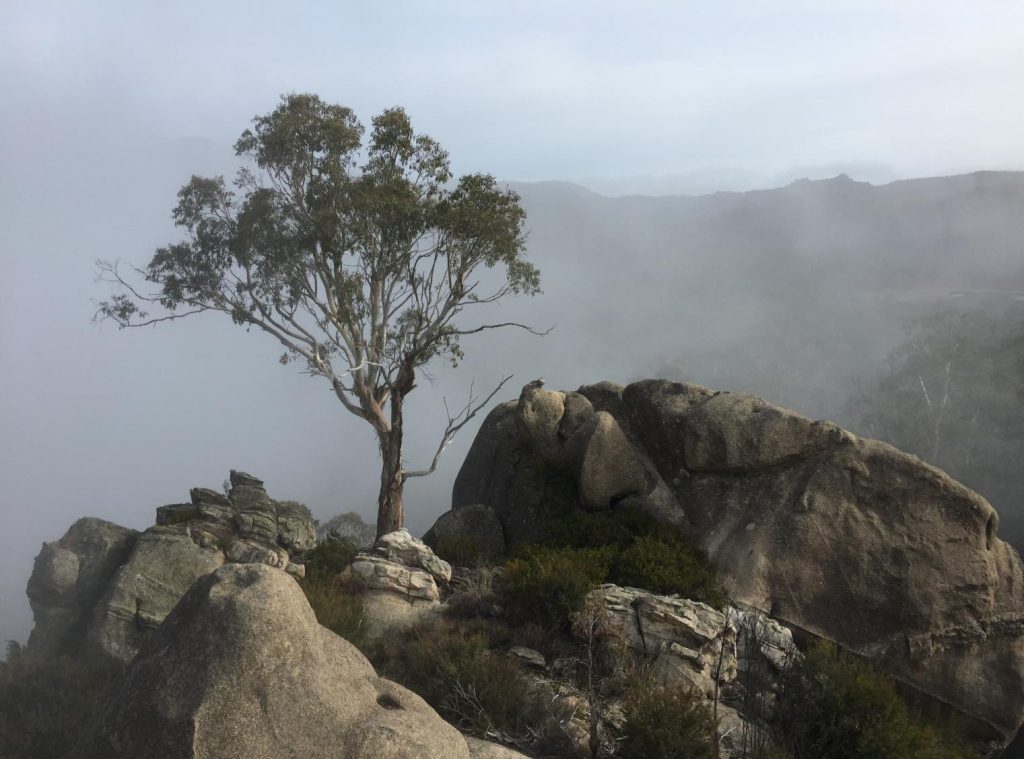
4. Futureproof Victoria’s parks network
Eighty-four per cent of Victorians say National Parks are important, reflected by more than 50 million visits a year to parks, vastly more than to State Forests. Victorians expect parks to be well managed and protected for community enjoyment. Yet parks are chronically underfunded: Parks Victoria’s base budget is now less than 0.2% of the State budget, driving cuts to vital conservation programs and visitor services.
- One Percent for Parks: Increase Parks Victoria’s funding for managing parks to 1% of the State budget.
- Effective Management: Ensure Parks Victoria is appropriately resourced, skilled and held accountable for meeting international benchmarks for delivery of conservation programs. Review the effectiveness of the Great Ocean Road Coast and Parks Authority in meeting those standards.
For more detailed VPAC policy information, please visit: VPAC Election Platform 2026 Or contact: [email protected]
*Parks: refers to areas protected as national parks and other conservation reserves.